Hidden Shoal News
“Music is Color for Life” A Battlestations Mixtape
 Taking some time out after the release of their sublime new album The Extent of Damage, Battlestations sat down and crafted a delicious mixtape for our collective delectation. Not as dark as one might expect but every bit melodic, the mix moves from the likes of Craig Armstrong and New Order to Ulver and Goblin to name but a few. Here’s some thoughts from Battlestations to get you in the mood,
“Music is color for life. Like a painting, it’s sometimes big, brutal brush strokes that leaves a thick black stain in the soul, at other times feather-light, embracing and soothing tiny pecks of color melting within the soul. In either case, magic. Let these sound canvasses paint your soul.” – Battlestations

“Music is Color for Life” A Mixtape by Battlestations by Hidden Shoal on Mixcloud
Todd Tobias Interview at Tape Op
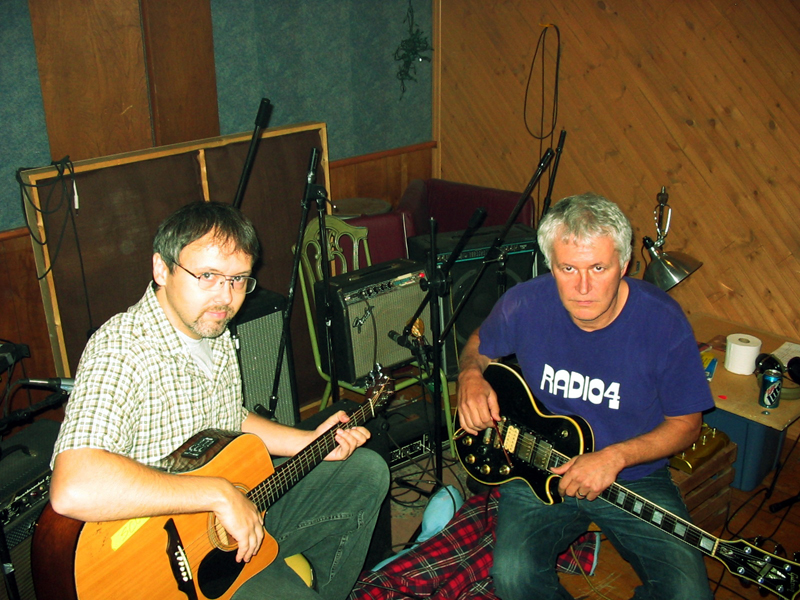 Check out this wonderful interview with the venerable Todd Tobias over at Tape Op. Todd talks about his role as Guided by Voices and Robert Pollard producer, his process as a producer and engineer and also his expansive solo work and collaborations as part of Brother Earth and Circus Devils.
Don’t forget to check out his latest solo masterpiece Tristes Tropiques and it’s accompanying EP Moorea.
Kramies New Free Live EP Out Now
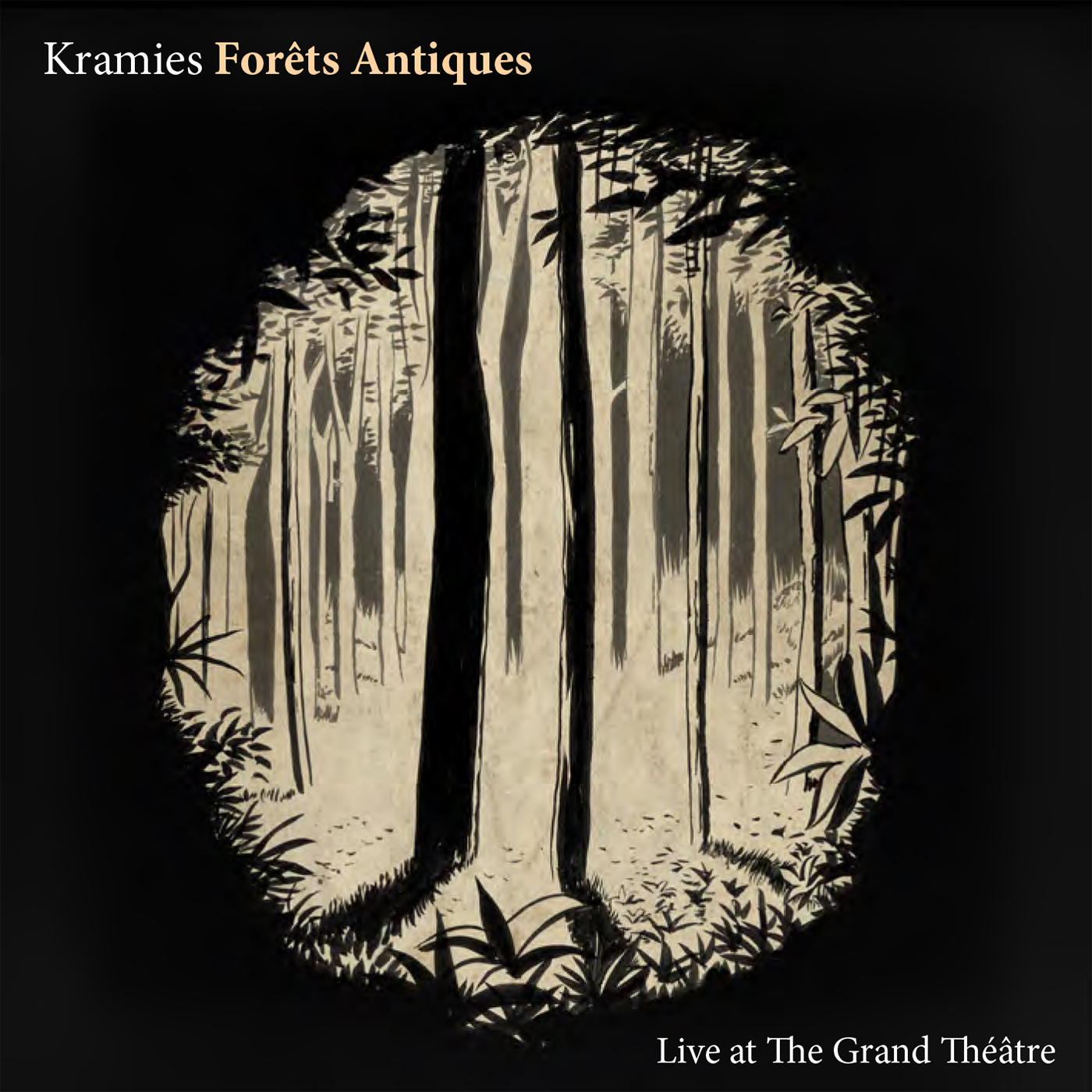 On a spring evening in 2015, the setting sun cast deep shadows over The Grand Théâtre in Angers, France, where Kramies was due to play to a sold-out crowd. As the 700 ticket-holders took to their seats and the theatre dimmed to a single amber light, Kramies walked on stage to perform his haunting, romantic songs. forêts antiques is a recording of that night.
forêts antiques features recordings of tracks from Kramies acclaimed EPs along with a previously unreleased song and is available for free download via Bandcamp. Don’t forget to check out Kramies other wonderful releases here.
Markus Mehr “In the Palm of Your Hand – The Remix EP”
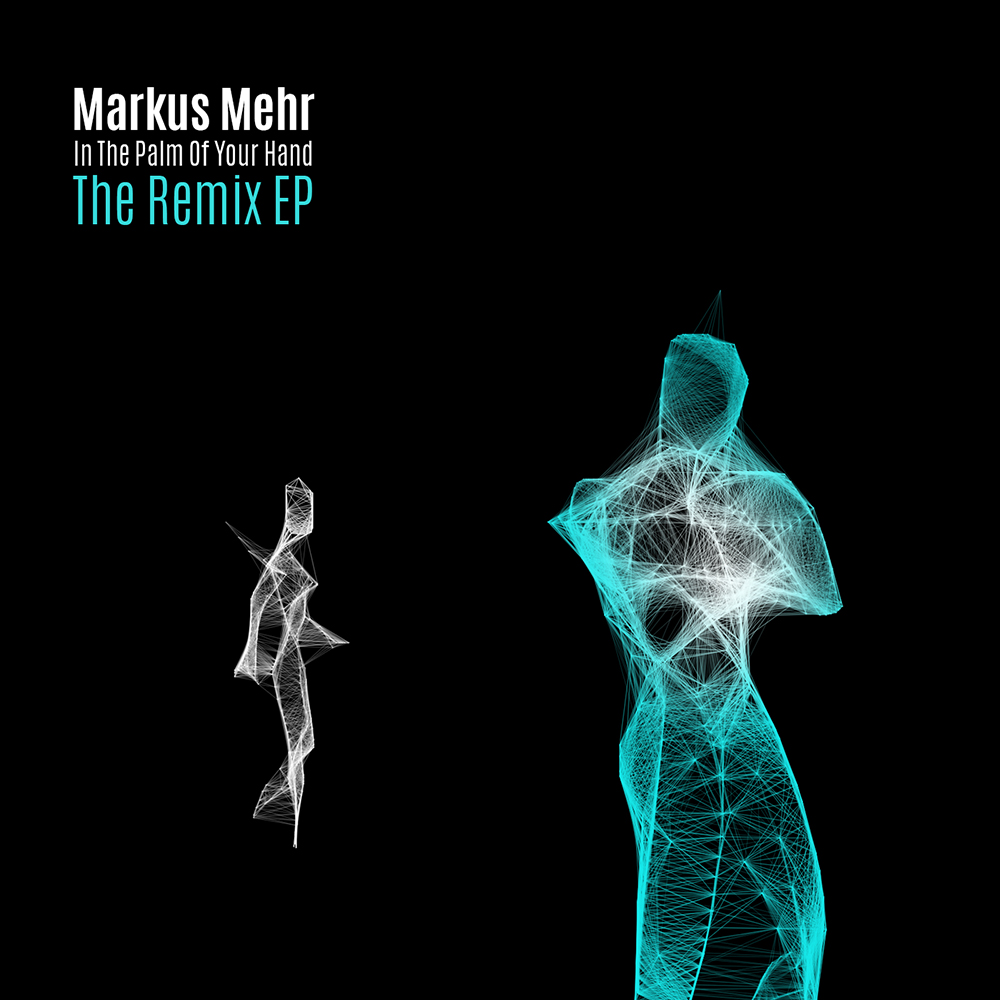 Hidden Shoal is proud to announce the release of Markus Mehr‘s In the Palm of Your Hand – The Remix EP, which brings together four unique remixes of the track ‘In the Palm of Your Hand’, lifted from Mehr’s latest album, Binary Rooms. Stream and download the EP via Bandcamp.
The original album mix of ‘In the Palm of Your Hand’ maps out the dichotomy at the heart of Binary Rooms. While plaintive piano chords suggest openness and possibility, they’re perpetually hemmed in by a claustrophobic industrial throb, creating a tension that aches to be resolved. The first remix, by Hamburg duo incite/, ramps up the tension by slicing and dicing the ambient throb into a glitchy tapestry and smothering the piano in sonic gauze. Conga Fever dials back the ambience and juxtaposes the piano against a sun-dappled beatscape. Hidden Shoal labelmate Erik Nilsson makes the piano the focus, bringing in field recordings to create the feeling of a beautiful jazz improvisation taking place on a demolition site. And finally, David Kochs’ remix filters the haze of the original into sharp yet dreamy minimal techno.
Gorgeous New Single from The October Solution
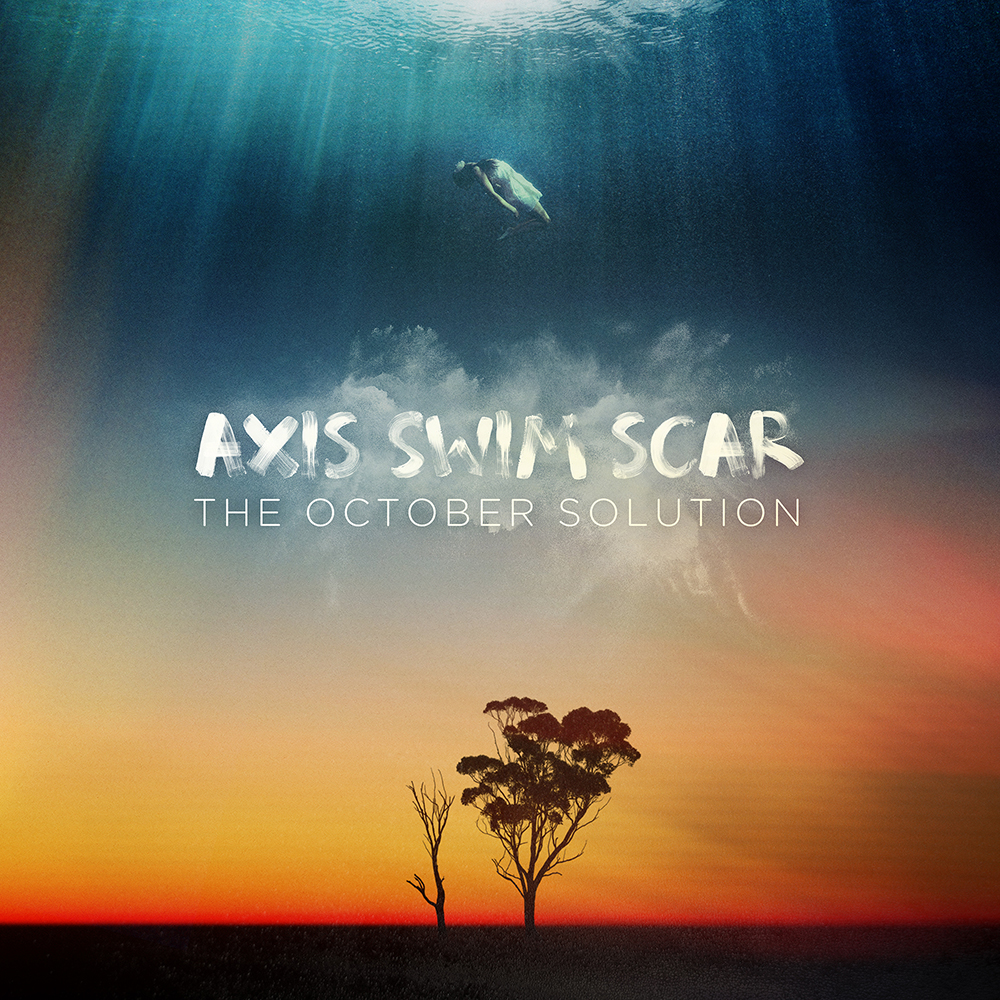 We’re excited to share the gorgeous new single from Australia via US dream-pop duo The October Solution, taken from their debut album Axis Swim Scar. ‘Stolen’ distills Disintegration-era Cure and 80s pop romanticism into a slice of languid, escapist dream-pop. What’s most striking about this track is its restraint, able to hold the listener rapt, even when it strips back to just the soaring guitar of Drew Sullivan (Slow Dancing Society) and the ethereal vocals of Jarrod Manuel (City of Satellites). The October Solution work within and move beyond familiar tropes to present a defiantly futuristic and progressive vision. Axis Swim Scar resonates with deftly woven pop melodies, melding the incandescent ambient sounds of Slow Dancing Society within the propulsive songcraft of City of Satellites.
Download the song for free via the band’s Bandcamp and be sure to check out Axis Swim Scar while you’re there. ‘Stolen’ is also available for streaming via SoundCloud.
AWMA’s Brilliant Debut EP Out Now!
 We’re super excited to announce the official release of the debut self-titled EP from atmospheric rock trio AWMA. The band dynamic that Conor and Eimer Devlin ([the] caseworker) and Jason Lakis (The Red Thread, Mist and Mast) have cultivated over the years of touring and playing together as Half Film has been elegantly renewed on their debut EP. This melodically charged music, akin to the early pastoral side of Pink Floyd, exudes intensity and emotional resonance. What else would you expect from such heritage.
The AWMA EP features the single ‘Broadcast History’, which prowls relentlessly around a circular guitar refrain, gradually building in intensity as Jason Lakis’s expansive guitar effects and Conor Devlin’s incantatory vocal colour the stereo field with portent. AWMA take the space, weight and atmosphere of Half Film, and inject instrumental details and a gentle shift in tempo from their slowcore origins.
Get yourself a copy of the EP via AMWA’s BandCamp. The EP will also be available via iTunes, Amazon and Spotify et al later next week. Expect a vinyl release early 2016.
Liminal Drifter Full RTRFM Interview Stream
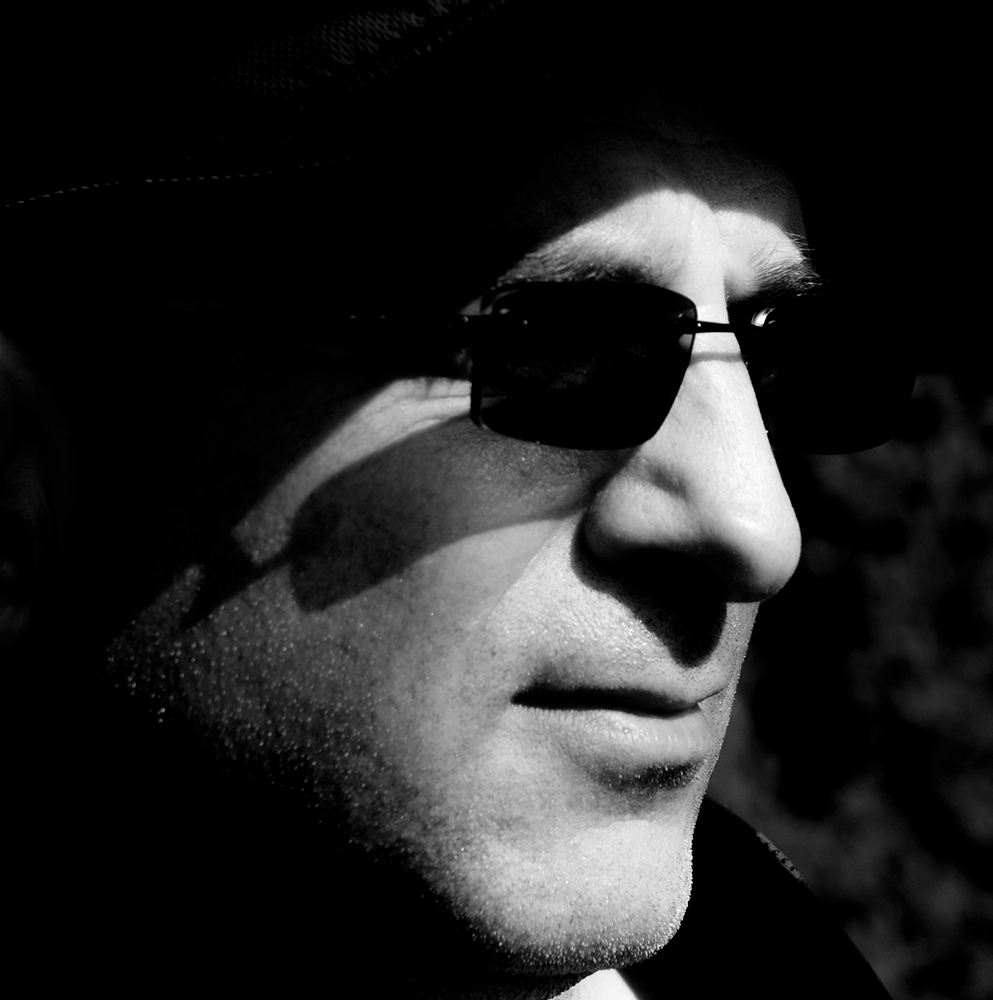 We have the wonderful interview with Liminal Drifter (aka Dr Simon Order) by Fred Sims (Artificial Intelligence on RTRFM) to share with you. This is the full length version which aired last month and includes songs from the debut Liminal Drifter album Troubled Mystic. Many thanks to Fred and RTRFM for allowing us to repost this. It really is a great listen – enjoy!
In related Liminal Drifter radio news, Troubled Mystic just landed at number 8 in the CJSW electronic charts! Nice.
Battlestations “The Extent of Damage” Out Now!
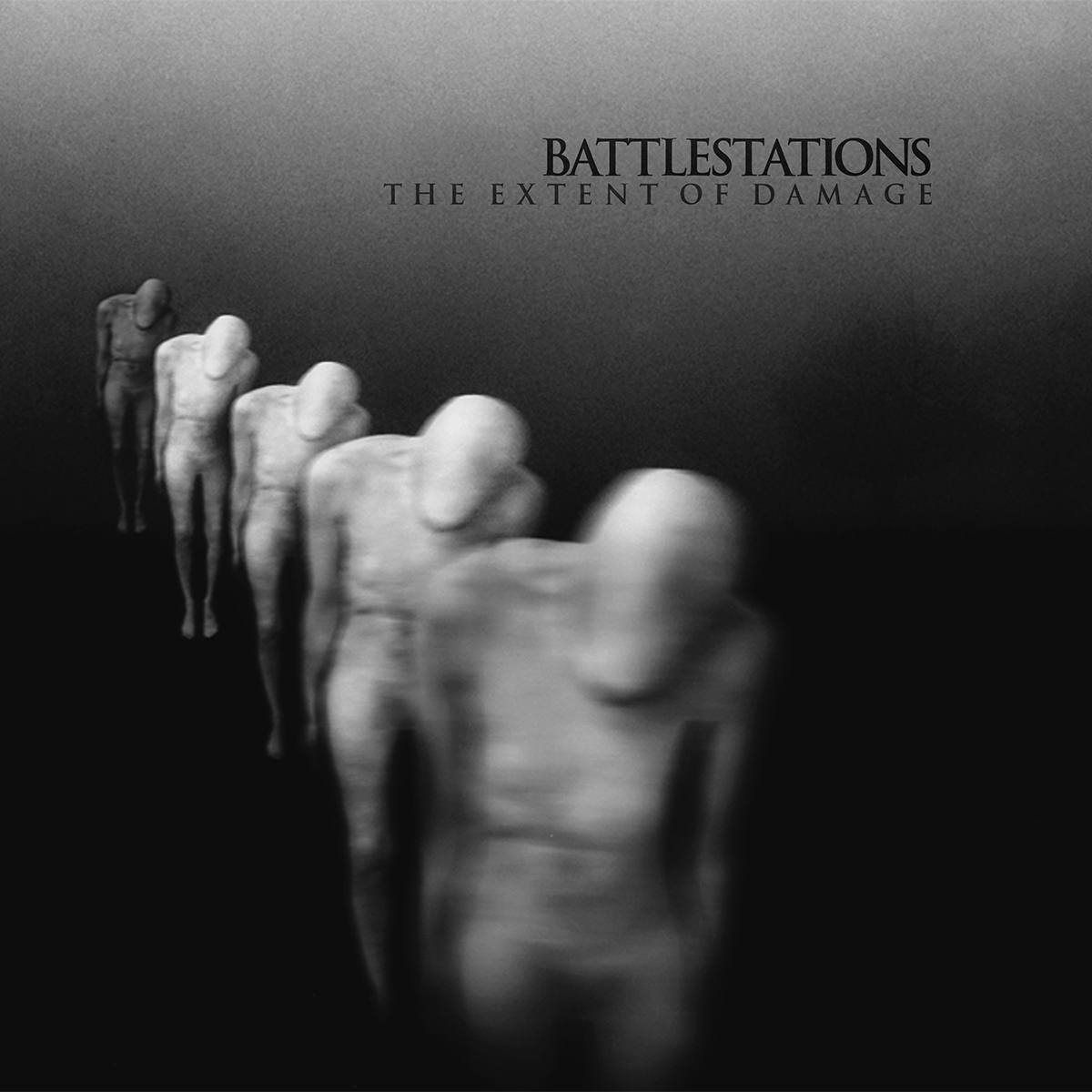 The time has come for you all the be consumed by Battlestations’ sublime new album The Extent of Damage. The album is available now for purchased on CD (limited edition with 12 page booklet) and in digital formats via Battlestations‘ Bandcamp. The music video for the epic 12 minute instrumental ‘Necro’ is also available for streaming on YouTube.
Like a high-definition camera roving across a ruined world, The Extent of Damage is both unflinchingly bleak and stirringly beautiful. Akin to Ennio Morricone at his most dark and doleful, and Portishead’s majestic self-titled second record, this music’s atmosphere of urban oppression is leavened with passages of sublime, redemptive beauty. Battlestations interweave the subtle with the dramatic, the intimate with the cinematic, the introverted with the bombastic. Across their eclectic and atmospheric instrumental rock, industrial ambience is counterbalanced by beautiful piano melodies, eerie samples and lyrical guitar lines. The result is incredibly evocative music, complex in both its narratives and textural composition.
“one of those bands that is doing amazing things despite the fact that no one seems to have heard of them… drop whatever it is you are doing and go listen” – Scene Point Blank
Chloe March ‘May’ – Music Video and Single
 Hidden Shoal is proud to present the beautiful new music video for ‘May’ by Chloë March, taken from her Under The Day EP.
There’s a wistful echo of Satie in Chloë March’s ‘May’. The restraint of the piano performance and March’s sweetly forlorn vocal are accompanied by images of spring blossoms, birds and dappled sunlight, creating a deep sense of beauty and longing. March describes the inspiration behind the track:
” ‘May’ was partly inspired by the name of a flower: ‘Miss Willmott’s Ghost’. I had a powerful image of a woman in a garden, waiting in a beautiful dawn half-light, on the same day every year. I couldn’t decide if she was a ghost herself, or if she was waiting for a ghost, but I knew I wanted to write a song about her.” – Chloe March
The music video for ‘May’ is available now via YouTube and Vimeo and the track is also available as a free download via BandCamp. While you’re at BandCamp be sure to check out Under The Day along with the rest of Chloe March’s amazing discography.
Debut AWMA Single – ‘Broadcast History’
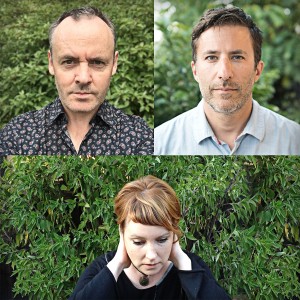 We’re very excited to present ‘Broadcast History’, the first taste of the debut self-titled EP from atmospheric rock trio AWMA. The track prowls relentlessly around a circular guitar refrain, gradually building in intensity as Jason Lakis’s expansive guitar effects and Conor Devlin’s incantatory vocal colour the stereo field with portent. AWMA take the space, weight and atmosphere of their previous incarnation Half Film, and inject instrumental details and a gentle shift in tempo from their slowcore origins.
The band dynamic that Conor and Eimer Devlin ([the] caseworker) and Jason Lakis (The Red Thread, Mist and Mast) have cultivated over the years of touring and playing together has been elegantly renewed on their self-titled EP. This melodically charged music, akin to the early pastoral side of Pink Floyd, exudes intensity and emotional resonance.
‘Broadcast History’ is available for streaming now via SoundCloud. AWMA’s self-titled EP sees release on the 14th of October 2015.
Hidden Shoal MixTape